BirdUp · Species
White-winged Fairywren
Malurus leucopterusQuoy & Gaimard, 1824
Updated
At a glance
The White-winged Fairywren is a tiny bird, about 11–13 cm long, listed as Least Concern and endemic to Australia. It can be seen year-round.
- Size
- 11–13 cm
- Conservation status
- Least Concern
- Origin
- Endemic
- Best seen
- Year-round
- Commonness
- Endemic
01 · Identification
How to tell it apart
What does a White-winged Fairywren look like?
The White-winged Fairywren is a tiny bird, about 11–13 cm long and weighing 6–11 g.
The white-winged fairywren is a species of passerine bird in the Australasian wren family, Maluridae. It lives in the drier parts of Central Australia; from central Queensland and South Australia across to Western Australia. Like other fairywrens, this species displays marked sexual dimorphism and one or more males of a social group grow brightly coloured plumage during the breeding season. The female is sandy-brown with light-blue tail feathers; it is smaller than the male, which, in breeding plumage, has a bright-blue body, black bill, and white wings. Younger sexually mature males are almost indistinguishable from females and are often the breeding males. In spring and summer, a troop of white-winged fairywrens has a brightly coloured older male accompanied by small, inconspicuous brown birds, many of which are also male. Three subspecies are recognised. Apart from the mainland subspecies, one is found on Dirk Hartog Island, and another on Barrow Island off the coast of Western Australia. Males from these islands have black rather than blue breeding plumage.
Description · wikipedia · CC BY-SA 4.0
03 · When
When to look
When can you see a White-winged Fairywren?
The White-winged Fairywren is present across its Australian range year-round, so it can be seen in any month.
- Jan
- Feb
- Mar
- Apr
- May
- Jun
- Jul
- Aug
- Sep
- Oct
- Nov
- Dec
04 · Voice
What it sounds like
What sound does a White-winged Fairywren make?
Recordings of the White-winged Fairywren on BirdUp feature its song.
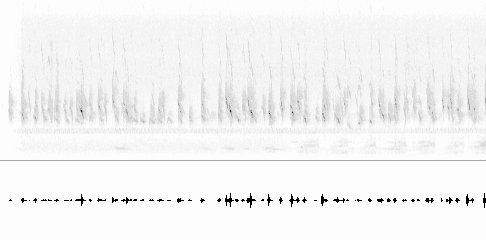
Call · Quality A
Rob Nicholson · Mosquito Creek Road, Coolmunda, Goondiwindi Regional, Queensland, Australia
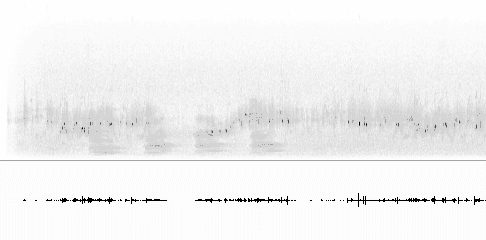
song · Quality A
Rob Nicholson · Mosquito Creek Road, Coolmunda, Goondiwindi Regional, Queensland, Australia
05 · Behaviour
Habits and haunts
What does a White-winged Fairywren eat?
The White-winged Fairywren feeds on seeds and terrestrial invertebrates, usually foraging in pairs or flocks.
06 · Gallery
Plumage up close
6 photos
The BirdUp app
Log your next White-winged Fairywren in the field
A pocket field journal for 850+ Australian birds. Offline-first, smart ID, and a lifelist that travels with you.