BirdUp · Species
Red Wattlebird
Anthochaera carunculata(Shaw, 1790)
Updated
Also known asDjual
- Order
- PASSERIFORMES
- Family
- Meliphagidae
- Genus
- Anthochaera
At a glance
The Red Wattlebird is a large bird, about 33–37 cm long, listed as Least Concern and endemic to Australia. It can be seen year-round.
- Size
- 33–37 cm
- Conservation status
- Least Concern
- Origin
- Endemic
- Best seen
- Year-round
- Commonness
- Endemic
01 · Identification
How to tell it apart
What does a Red Wattlebird look like?
The Red Wattlebird is a large bird, about 33–37 cm long and weighing 44–163 g, identified by its pinkish-red, fleshy neck wattles; large, bright yellow belly patch; bold white streaking on dark body; and bright crimson-red eyes.
The red wattlebird is a passerine bird native to southern Australia. At 33–37 cm in length, it is the second largest species of Australian honeyeater, after the yellow wattlebird. It has mainly grey-brown plumage, with red eyes, distinctive pinkish-red wattles on either side of the neck, white streaks on the chest and a large bright yellow patch on the lower belly. The sexes are similar in plumage. Juveniles have less prominent wattles and browner eyes. John White described the red wattlebird in 1790. Three subspecies are recognized.
Description · wikipedia · CC BY-SA 4.0
- 01
Pinkish-red, fleshy neck wattles
Pendulous, fleshy lobes hanging from below and behind the cheeks.
- 02
Large, bright yellow belly patch
A bold splash of solid yellow on the lower abdomen.
- 03
Bold white streaking on dark body
Heavy white streaks on grey-brown head, chest, and back.
- 04
Bright crimson-red eyes
Striking iris color in adults.
03 · When
When to look
When can you see a Red Wattlebird?
The Red Wattlebird is present across its Australian range year-round, so it can be seen in any month.
- Jan
- Feb
- Mar
- Apr
- May
- Jun
- Jul
- Aug
- Sep
- Oct
- Nov
- Dec
04 · Voice
What it sounds like
What sound does a Red Wattlebird make?
Recordings of the Red Wattlebird on BirdUp feature its call.
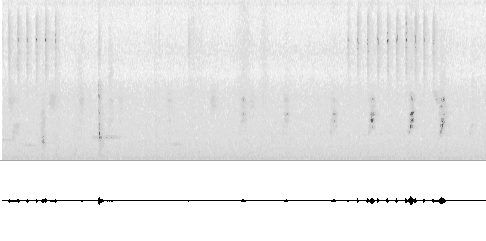
call · Quality A
James Ray · Faulconbridge, Blue Mountains City Council, New South Wales, Australia
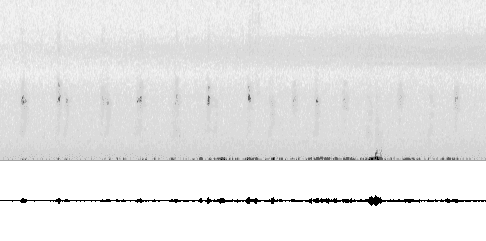
call · Quality B
James Ray · Faulconbridge, Blue Mountains City Council, New South Wales, Australia
Call
James Ray · Faulconbridge NSW 2776, Australia
Call
graeme lunt · Lal Lal VIC 3352, Australia
05 · Behaviour
Habits and haunts
What does a Red Wattlebird eat?
The Red Wattlebird feeds on nectar/pollen and terrestrial invertebrates, usually foraging in pairs or flocks or alone.
06 · Gallery
Plumage up close
3 photos
The BirdUp app
Log your next Red Wattlebird in the field
A pocket field journal for 850+ Australian birds. Offline-first, smart ID, and a lifelist that travels with you.