BirdUp · Species
Olive-backed Oriole
Oriolus sagittatus(Latham, 1801)
Updated
Also known asMunda
At a glance
The Olive-backed Oriole is a medium-sized bird, about 25–30 cm long, listed as Least Concern and native to Australia. It can be seen year-round.
- Size
- 25–30 cm
- Conservation status
- Least Concern
- Origin
- Native
- Best seen
- Year-round
- Commonness
- Very common
01 · Identification
How to tell it apart
What does an Olive-backed Oriole look like?
The Olive-backed Oriole is a medium-sized bird, about 25–30 cm long and weighing 78–123 g.
The olive-backed oriole, or white-bellied oriole, is a very common medium-sized passerine bird native to northern and eastern Australia and south-central New Guinea. The most wide-ranging of the Australasian orioles, it is noisy and conspicuous.
Description · wikipedia · CC BY-SA 4.0
03 · When
When to look
When can you see an Olive-backed Oriole?
The Olive-backed Oriole is present across its Australian range year-round, so it can be seen in any month.
- Jan
- Feb
- Mar
- Apr
- May
- Jun
- Jul
- Aug
- Sep
- Oct
- Nov
- Dec
04 · Voice
What it sounds like
What sound does an Olive-backed Oriole make?
Recordings of the Olive-backed Oriole on BirdUp feature its alarm.
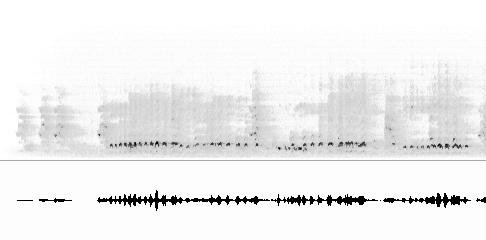
alarm · Quality A
Rob Nicholson · Camp Hill, Brisbane City, Queensland, Australia
Call
jimchurches · Lithgow, AU-NS, AU
Call
Tim · Blue Mountains, NSW, Australia
Call
Claudia Schipp · Lyons ACT 2606, Australia
05 · Behaviour
Habits and haunts
What does an Olive-backed Oriole eat?
The Olive-backed Oriole feeds on fruit, seeds and terrestrial invertebrates, usually foraging in pairs or alone.
06 · Gallery
Plumage up close
3 photos
The BirdUp app
Log your next Olive-backed Oriole in the field
A pocket field journal for 850+ Australian birds. Offline-first, smart ID, and a lifelist that travels with you.