BirdUp · Species
Buff-sided Robin
Poecilodryas cerviniventris(Gould, 1858)
Updated
- Order
- PASSERIFORMES
- Family
- Petroicidae
- Genus
- Poecilodryas
At a glance
The Buff-sided Robin is a small bird, about 14–17 cm long, endemic to Australia. It can be seen year-round.
- Size
- 14–17 cm
- Origin
- Endemic
- Best seen
- Year-round
- Commonness
- Endemic
01 · Identification
How to tell it apart
What does a Buff-sided Robin look like?
The Buff-sided Robin is a small bird, about 14–17 cm long and weighing 16–26 g.
The buff-sided robin is a small, diurnal, insectivorous, perching (passerine) bird in the family Petroicidae, a group commonly known as the Australo-Papuan or Australasian robins. It is also known as the buff-sided fly-robin, buff-sided shrike-robin, and Isabellflankenschnäpper (German). The buff-sided robin is endemic to northern Australia, where it primarily occurs in riparian forests and monsoon vine thickets from the Kimberly region of Western Australia to the north-west Queensland Gulf of Carpentaria. The plumage of the adult birds is characterized by a dark hood and back with a prominent white stripe on the supercilium; a white throat, white wing and tail bars, and a striking buff to orange patch on the flank below the wings. Adult birds are not sexually dimorphic; however, males are generally larger and can be separated from females based on morphological measurements. Buff-sided robins predominantly take insects from the ground by sallying from an observational perch. Insects are also occasionally taken by hawking on the wing or by gleaning from the trunk or foliage of riparian vegetation.
Description · wikipedia · CC BY-SA 4.0
03 · When
When to look
When can you see a Buff-sided Robin?
The Buff-sided Robin is present across its Australian range year-round, so it can be seen in any month.
- Jan
- Feb
- Mar
- Apr
- May
- Jun
- Jul
- Aug
- Sep
- Oct
- Nov
- Dec
04 · Voice
What it sounds like
What sound does a Buff-sided Robin make?
Recordings of the Buff-sided Robin on BirdUp feature its song.
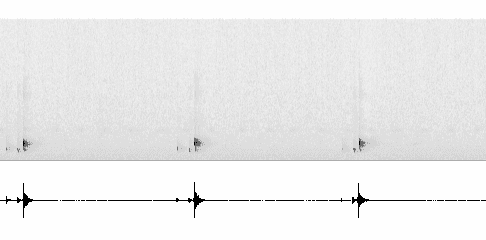
song · Quality A
JACOB Hervé · Mitchell Plateau, Shire of Wyndham-East Kimberley, Western Australia, Australia
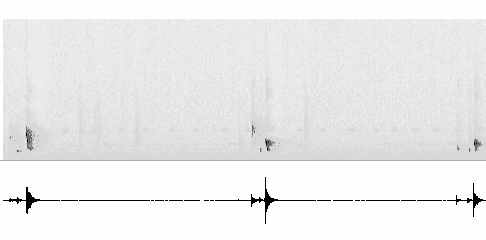
song · Quality A
JACOB Hervé · Mitchell Plateau, Shire of Wyndham-East Kimberley, Western Australia, Australia
05 · Behaviour
Habits and haunts
What does a Buff-sided Robin eat?
The Buff-sided Robin feeds on terrestrial invertebrates, usually foraging in pairs or alone.
06 · Gallery
Plumage up close
4 photos
The BirdUp app
Log your next Buff-sided Robin in the field
A pocket field journal for 850+ Australian birds. Offline-first, smart ID, and a lifelist that travels with you.